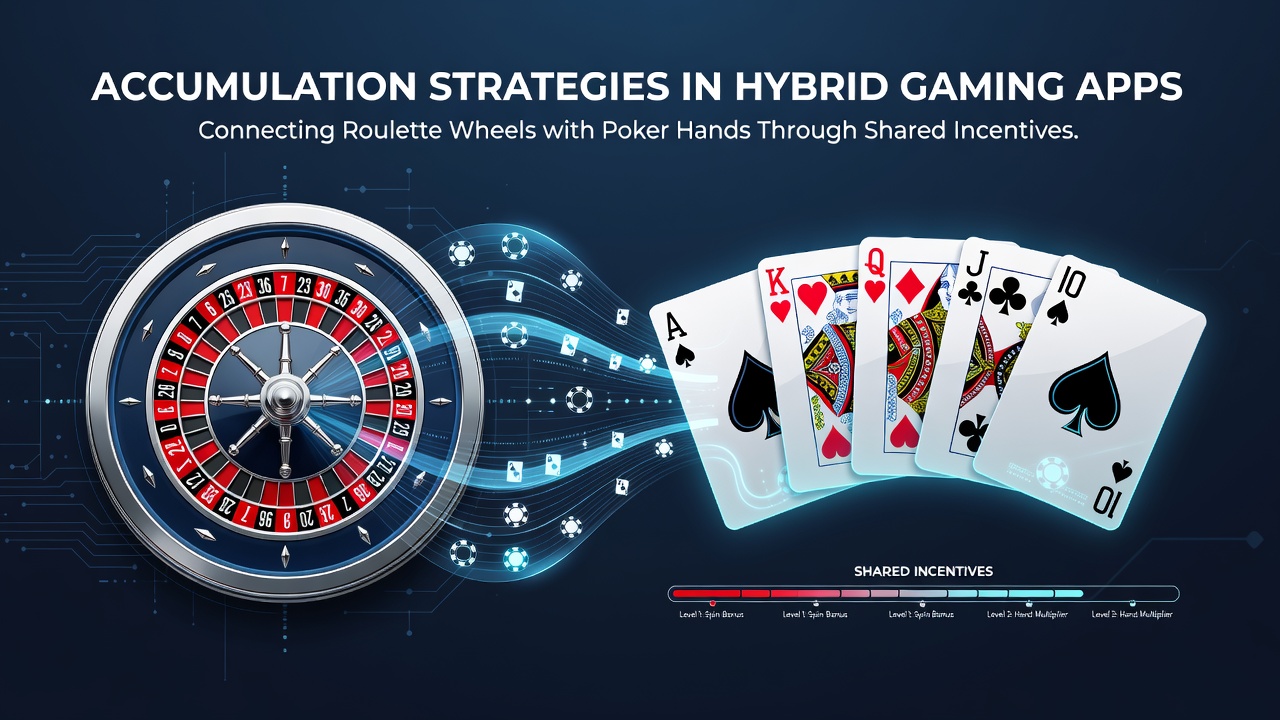
Accumulation Strategies in Hybrid Gaming Apps: Connecting Roulette Wheels with Poker Hands Through Shared Incentives
Hybrid gaming apps combine multiple casino formats into single platforms where accumulation strategies track player activity across roulette spins and poker hands through unified reward pools. These systems convert outcomes from both games into points that unlock bonuses, multipliers, and tiered access without requiring separate accounts for each title. Data from industry reports show that such integration increases session duration because users carry progress forward rather than starting fresh in every game mode.
Core Mechanics Behind Point Accumulation
Players earn base points through standard actions such as placing roulette bets or completing poker hands, then receive multipliers when they hit specific thresholds within a shared ledger. For instance, a sequence of even-money roulette wins might add incremental credits that later apply to poker tournament entries, while strong poker showdowns feed back into roulette free-spin allotments. Research conducted by the Nevada Gaming Control Board indicates that integrated ledgers reduce player churn by linking game-specific results to overarching progress bars that reset on monthly cycles.
Algorithms adjust point values according to game volatility so that high-variance roulette outcomes balance against steadier poker results, maintaining equilibrium in the overall reward distribution. Developers implement these adjustments through real-time APIs that pull data from both game engines and update a central database visible on the app dashboard. Observers note that this synchronization allows users to see cumulative totals update immediately after each round, reinforcing continued participation across formats.
Linking Roulette Outcomes to Poker Progression
Shared incentive structures map roulette wheel segments directly to poker hand rankings through conversion tables that translate numerical results into equivalent poker-chip equivalents. A landed number on the roulette layout might award points scaled by the payout odds, which then convert into poker hand strength bonuses during subsequent sessions. This mapping occurs inside the app backend where both game servers push transaction logs to a common rewards engine that calculates cross-game eligibility.
Apps further connect the two formats by offering hybrid challenges that require alternating between roulette spins and poker hands within a single timed window, with accumulated points determining final prize pools. Figures released by the Victorian Gambling and Casino Control Commission reveal that platforms employing these challenge structures recorded measurable increases in cross-game transitions during 2025 testing phases. The design encourages users to maintain activity in both titles rather than focusing on one exclusively.
Implementation Patterns Observed Through 2026
By September 2026 several major hybrid platforms had rolled out tiered loyalty layers that scale accumulation rates based on combined weekly volume across roulette and poker. Entry-level tiers grant basic point multipliers, while higher tiers unlock shared jackpots that draw from both game types simultaneously. These layers rely on encrypted transaction logs to prevent point manipulation and comply with jurisdictional audit requirements.
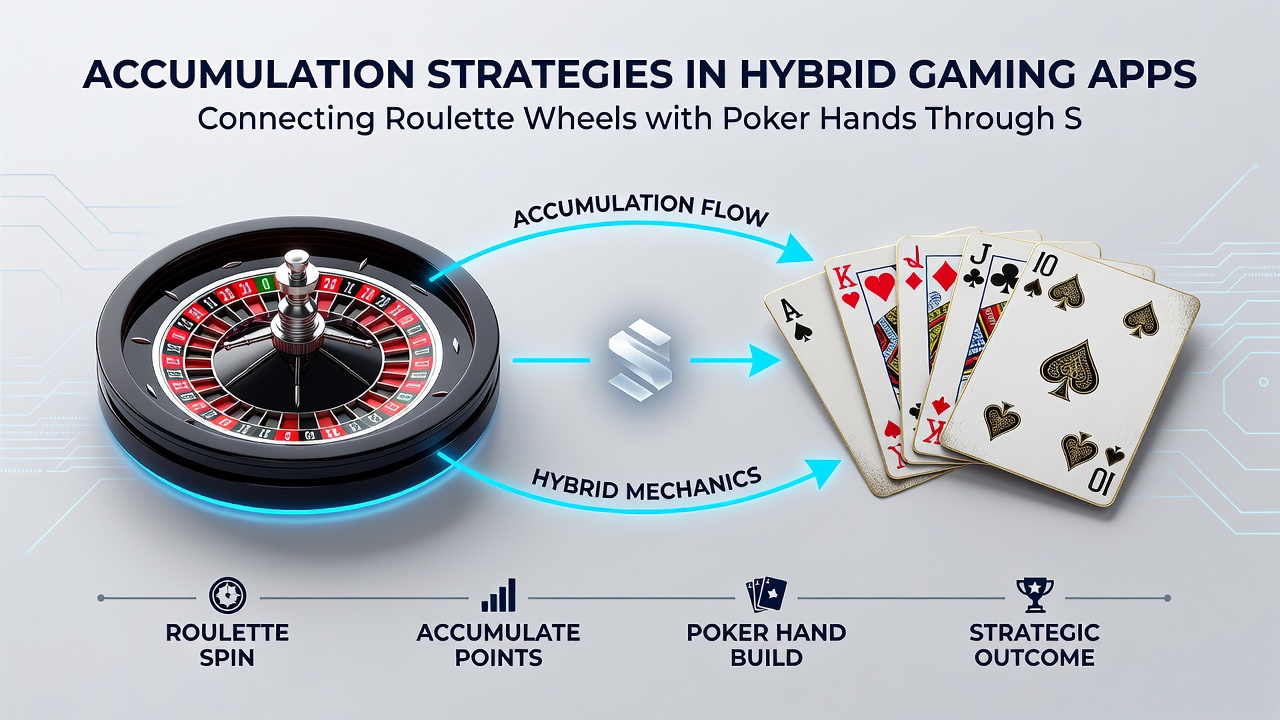
Developers integrate third-party analytics tools that monitor point flow between games to detect unusual patterns and adjust incentive parameters accordingly. Academic studies from institutions tracking mobile gambling behavior confirm that such monitoring correlates with sustained user engagement when reward visibility remains high. The systems also incorporate regional compliance checks that pause accumulation during restricted hours or for accounts flagged under responsible gaming protocols.
Data Patterns Across Regional Markets
Market analyses covering North American and Australian operators demonstrate that hybrid apps using unified accumulation see higher average revenue per user when compared with single-game applications. Points earned from roulette contribute roughly 40 percent of total rewards volume while poker hands supply the remaining share, according to aggregated operator disclosures. This split varies seasonally yet remains stable enough for developers to forecast server load and bonus liability with reasonable accuracy.
Additional features such as streak multipliers and community goals further tie the two games together by requiring collective point milestones that unlock app-wide events. These events often feature simultaneous roulette and poker leaderboards where individual contributions feed a shared prize structure. Regulatory filings submitted to bodies overseeing digital gaming confirm that transparent point ledgers reduce dispute volumes related to reward calculations.
Conclusion
Accumulation strategies in hybrid gaming apps create functional bridges between roulette wheels and poker hands by routing both activities through centralized incentive engines that convert results into transferable value. The approach relies on precise mapping tables, real-time synchronization, and tiered loyalty structures that adapt across jurisdictions. Available data through September 2026 shows consistent patterns of cross-game participation when these systems maintain clear visibility and regulatory alignment.