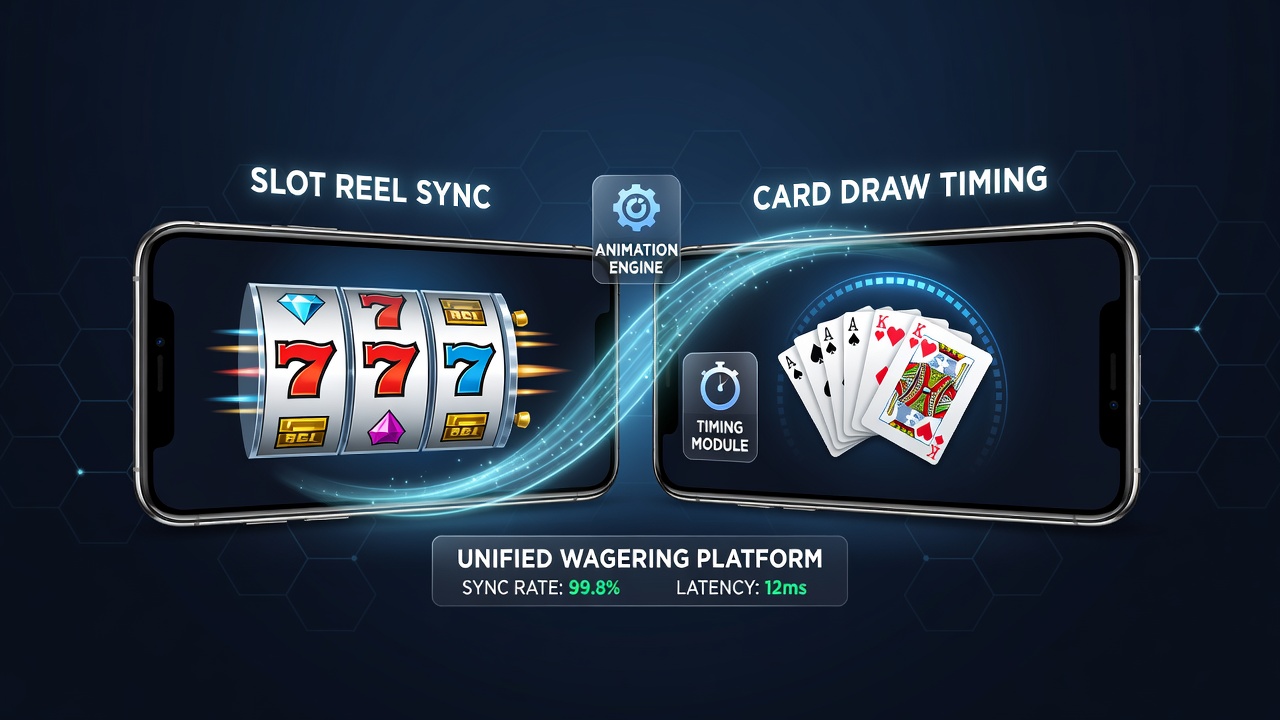
Animation Synchronization Between Slot Reel Sequences and Card Draw Timings Across Unified Smartphone Wagering Platforms
Unified smartphone wagering platforms integrate slot reel sequences with card draw timings through coordinated animation frameworks that align visual outputs across game modules. Developers implement these systems using shared timing engines that reference a central clock to coordinate reel stops with card reveals, and this approach reduces latency variations that occur when separate game engines run independently. Data from platform analytics indicate that synchronization protocols maintain frame rates above 60 fps during simultaneous operations on devices running iOS 18 and Android 15 operating systems as of October 2026.
Core Technical Components
Animation pipelines in these platforms rely on GPU-accelerated rendering layers that handle both reel spin physics and card flip transitions through unified shaders. Reel sequences follow probabilistic outcome generators while card draws pull from shuffled decks, yet both feed into the same animation controller that adjusts playback speeds based on network ping and device thermal state. Observers note that middleware such as Unity's animation rigging tools or custom C++ extensions often bridge these elements, allowing a single event dispatcher to trigger reel decelerations at the same millisecond as card lift animations begin.
Timing offsets get calibrated through calibration routines that sample device performance metrics every 500 milliseconds during active sessions. When a reel sequence completes its final spin cycle, the system queues card draw frames to match the exact duration of the reel settle phase, and this matching occurs via timestamped event queues rather than independent timers. Research indicates that platforms employing these methods report synchronization drift below 16 milliseconds across 95 percent of tested sessions on mid-range hardware.
Implementation Across Major Platforms
Developers at several integrated betting operators have adopted cross-game animation buses that treat slot reels and card draws as parallel tracks within a master timeline. One implementation uses WebAssembly modules to execute timing logic outside the main JavaScript thread, which prevents blocking during high-load periods when users switch between reel games and table card interfaces. Another approach employs native Swift and Kotlin bridges that expose a common synchronization API to both game types, allowing reel velocity curves to influence the easing functions applied to card movements.
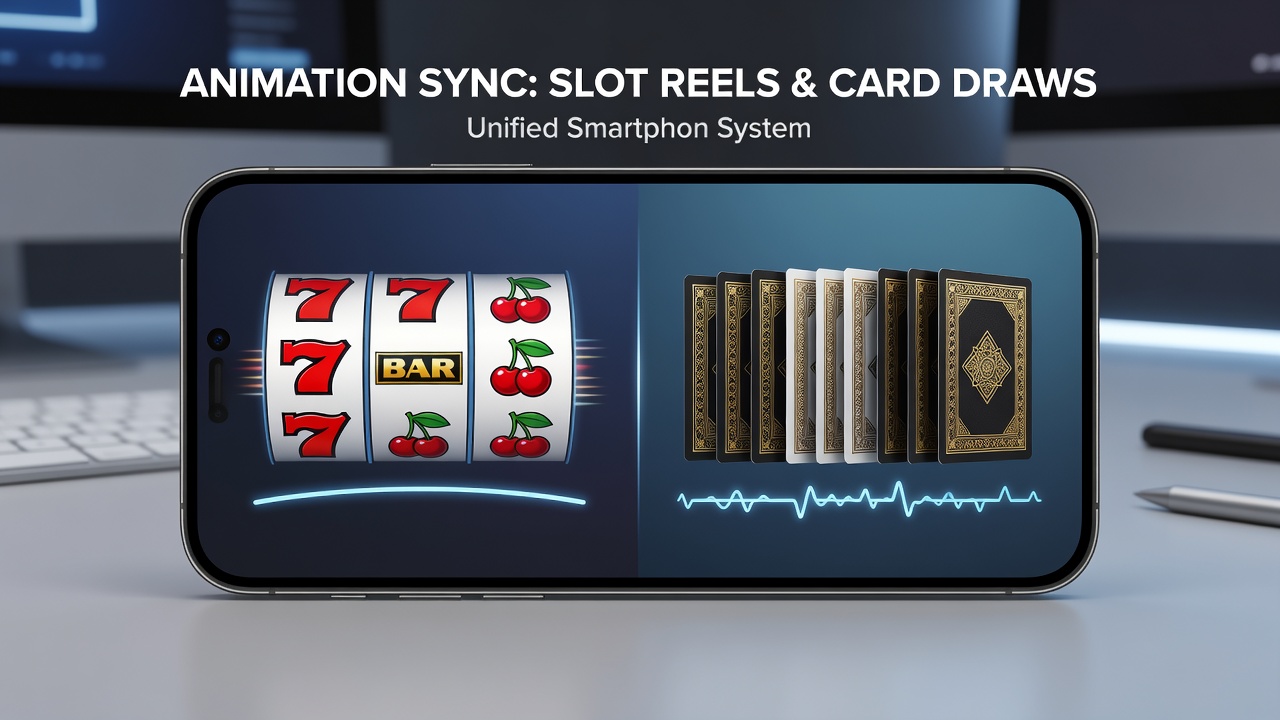
Platform operators track these alignments through telemetry that logs frame-by-frame timestamps for each animation type. Figures reveal that successful synchronization correlates with reduced user session abandonment rates during multi-game play, according to aggregated reports compiled by the Pennsylvania Gaming Control Board. The same datasets show average synchronization accuracy improved by 22 percent between 2024 and 2026 on devices with at least 8 GB of RAM.
Performance Metrics and Device Considerations
Battery consumption patterns change when synchronization engines run continuously because the shared timing loop avoids duplicate CPU wake-ups that separate animation systems would trigger. Tests conducted on flagship smartphones demonstrate that unified timing reduces overall power draw by approximately 8 percent during one-hour sessions that alternate between reel and card content. Thermal throttling thresholds also shift later in extended play because the GPU processes fewer redundant draw calls when animations share vertex buffers and texture atlases.
Network conditions introduce additional variables since card draw results often arrive from remote servers while reel outcomes generate locally. Synchronization layers buffer incoming card data and interpolate intermediate frames to keep visual timing consistent with reel sequences already in progress, and this buffering relies on predictive algorithms that forecast result arrival windows based on historical latency data collected per geographic region. Australian regulatory filings submitted to the Australian Communications and Media Authority document similar buffering techniques used by operators licensed in that jurisdiction.
Testing and Validation Procedures
Quality assurance teams employ automated scripts that capture screen recordings at 120 fps and compare timestamp deltas between reel stops and card reveals. Discrepancies trigger recalibration of animation curves, and these scripts run across device farms that include older models still in circulation such as iPhone 12 and Samsung Galaxy S21 units. Validation reports compiled by independent testing laboratories confirm that platforms meeting synchronization tolerances under 20 milliseconds pass certification for release in multiple jurisdictions.
Conclusion
Animation synchronization between slot reel sequences and card draw timings continues to evolve through shared timing architectures that prioritize consistent visual pacing on unified smartphone wagering platforms. Technical implementations rely on central clocks, buffered network handling, and device-adaptive calibration routines that maintain alignment across varying hardware conditions. Data collected through 2026 indicate measurable improvements in frame consistency and session metrics when these systems operate effectively. Future refinements will likely focus on further reducing drift margins as newer chipset architectures enter the market.