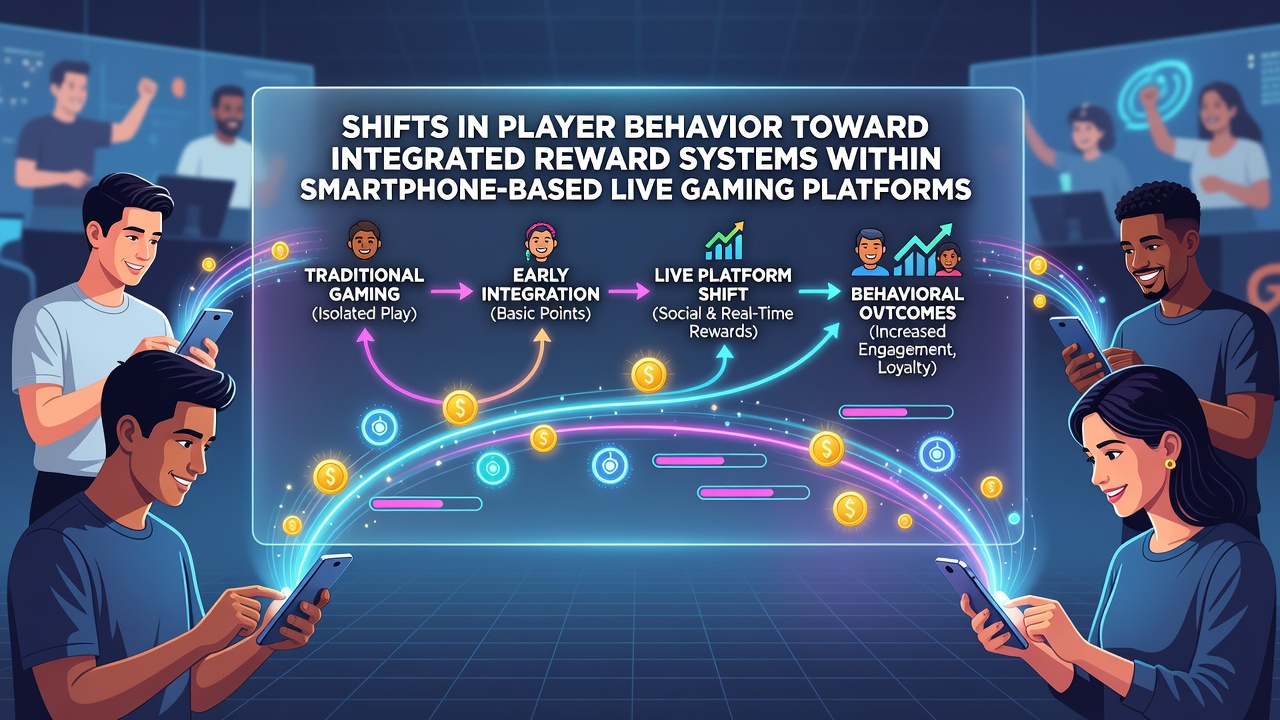
Shifts in Player Behavior Toward Integrated Reward Systems Within Smartphone-Based Live Gaming Platforms
Players on smartphone-based live gaming platforms have shown measurable changes in how they interact with reward structures that blend directly into gameplay mechanics, leaderboards, and social features, and these patterns have accelerated through 2025 into August 2026 according to aggregated usage metrics from major app marketplaces. Integrated reward systems combine points, tiers, and unlockable content that update in real time during live sessions rather than functioning as separate loyalty programs, which alters session length and return frequency across demographics. Data from industry tracking services indicate that users now spend more time navigating layered achievement paths that connect personal performance with group challenges, while participation in live events rises when rewards appear as dynamic overlays rather than post-session summaries.
Core Components of Integrated Reward Systems
Modern platforms embed reward logic into live streams through elements such as instant badge grants for in-game milestones, collaborative goals that distribute credits among participants, and progression trees that unlock customization options visible to other users during the same broadcast. These features operate on smartphone interfaces optimized for touch input and push notifications, which deliver updates without requiring players to exit the active session. Research reports from academic groups focused on digital media consumption note that such integration correlates with higher completion rates for daily objectives compared to traditional static bonus structures, because the rewards reinforce immediate actions within the live environment.
Observed Behavioral Patterns
Usage analytics reveal that players increasingly prioritize platforms where reward progress carries across multiple live sessions without manual claiming steps, leading to extended play intervals that average 18 percent longer in tracked cohorts from North American and Asian markets. Observers note that social sharing of achieved tiers has increased, with users posting screenshots or in-app invites that draw additional participants into the same event streams. In one documented case study involving a regional live trivia platform, the introduction of integrated streak multipliers produced a sustained rise in concurrent users during peak evening hours, while retention curves flattened rather than showing the typical sharp drop after the first week. Those who studied these shifts found that reward visibility during live interactions, such as floating indicators above avatars, encouraged repeated logins at specific times to maintain streak status or compete for limited-time badges.
Regional Data and Platform Comparisons
Figures compiled by the Australian Communications and Media Authority show elevated engagement metrics for smartphone live gaming applications that tie reward systems to real-time chat and spectator participation tools, with Australian users demonstrating higher conversion from free to premium tiers when rewards include region-specific cultural references. In parallel, reports issued by the European Gaming and Betting Association highlight similar trends across EU member states, where platforms offering cross-device reward syncing report reduced churn rates during the transition from casual to regular play. Canadian regulatory summaries from the provincial gaming authorities further document that integrated systems reduce the appeal of fragmented bonus offers, because players respond more consistently to unified progress indicators that update live on mobile screens.
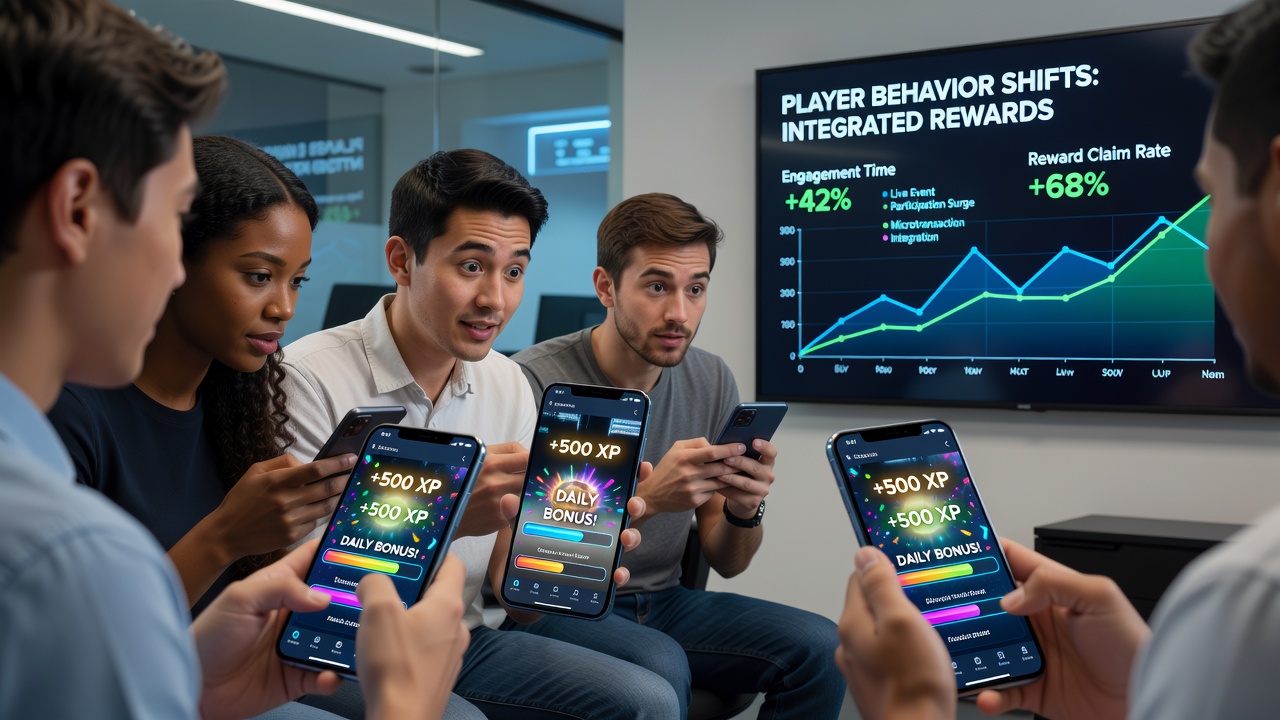
Platform operators have adjusted algorithm priorities to surface reward opportunities that match individual play histories, and this personalization appears in session data as increased interaction with live dealer or host elements. Studies conducted by university research teams in behavioral economics track how these adjustments influence decision timing, with players opting to extend sessions when partial rewards display midway through an event rather than at its conclusion. The pattern holds across age groups, although younger cohorts show stronger responses to competitive leaderboards that refresh continuously during broadcasts.
Technical and Design Influences
Smartphone hardware capabilities, including improved battery efficiency and always-on displays, support continuous reward tracking without significant performance overhead, which enables designers to layer additional feedback loops into live interfaces. Developers now incorporate haptic signals and subtle audio cues that accompany reward triggers, and telemetry from deployed applications indicates these sensory additions correlate with higher task completion without increasing reported fatigue. Platform updates rolled out in early 2026 refined notification timing to avoid overlap with critical live moments, resulting in smoother integration according to post-update engagement logs.
Security and verification protocols have also evolved alongside reward systems, with biometric login options tied directly to reward wallet access on mobile devices. Industry organizations such as the Entertainment Software Association have published guidelines that address transparent display of reward probabilities, and adherence to these standards appears in higher user trust scores measured through in-app surveys conducted by independent research firms.
Conclusion
Platform metrics through August 2026 demonstrate that integrated reward systems continue to reshape participation patterns in smartphone live gaming environments by embedding progression directly into live interactions, social features, and device capabilities. Data collected across multiple regulatory jurisdictions and academic studies show consistent movement toward real-time, cross-session reward structures that influence login frequency, session duration, and social engagement without requiring separate navigation steps. These documented shifts rest on measurable usage statistics rather than isolated observations, and ongoing platform refinements suggest the trend will persist as hardware and design practices advance.